
Aerial view of Vietnam landscape showing Ha Long Bay limestone islands and Ho Chi Minh City skyline with airplane flying above

Category: Uncategorized

  • Karaköy · Le Marais · Gothic Quarter

    Karaköy · Le Marais · Gothic Quarter
    A Traveler’s Guide to 3 Iconic Neighborhoods

    Some neighborhoods stay with you long after you’ve left. They have a rhythm, a light, a feeling that lingers. Karaköy, Le Marais, and the Gothic Quarter are three such places—each one a labyrinth of stories waiting to be discovered.


    🇹🇷 Karaköy, Istanbul – Where Old Meets New on the Bosphorus

    Once the banking heart of the Ottoman Empire, today Karaköy is Istanbul’s coolest district. Narrow cobblestone streets wind past historic bank buildings now housing art galleries and design shops. The smell of fresh simit mixes with espresso from trendy coffee roasters.

    The Vibe

    Karaköy feels like Istanbul’s creative soul. By day, locals crowd into Van Kahvaltı Evi for the city’s best breakfast. By night, rooftop bars like Mikla and Leb-i Derya fill with crowds watching the sun set over the Bosphorus. Street art covers hidden walls. The Istanbul Modern art museum anchors the waterfront.

    Don’t Miss

    • Galata Tower – Climb for panoramic views (arrive early to avoid queues)
    • Galata Bridge – Join locals eating balık ekmek (fish sandwiches) from floating boats
    • Karaköy Güllüoğlu – Turkey’s most famous baklava, still made fresh daily
    • Kemankeş Street – The heart of Karaköy’s cafe and gallery scene
    • Tophane – Historic square with 15th-century cannons and great people-watching

    Where to Stay

    Karaköy offers boutique design hotels in converted historic buildings. Popular choices from our database include 10 Karaköy and Istanbul Golden City.


    🇫🇷 Le Marais, Paris – The Heart of Historic Paris

    Le Marais is where Parisians actually go. Unlike the tourist crowds at the Eiffel Tower, this neighborhood pulses with real Parisian life—families shopping at open-air markets, friends sharing glasses of wine at sidewalk cafés, artists showing in tiny galleries.

    The Vibe

    Medieval streets open onto hidden courtyards. Historic mansions now house museums and boutiques. The Place des Vosges, Paris’s oldest planned square, offers peaceful gardens under arched arcades. The Jewish quarter brings incredible falafel shops (L’As du Fallafel draws lines daily). Trendy concept stores sit next to centuries-old bakeries.

    Don’t Miss

    • Place des Vosges – Picnic in the gardens, wander under the arcades
    • Musée Picasso – World’s largest collection in a stunning 17th-century mansion
    • Rue des Rosiers – The heart of the Jewish quarter, famous for falafel
    • Marché des Enfants Rouges – Paris’s oldest covered market (est. 1615), now a food hall
    • Village Saint-Paul – A hidden maze of antique dealers and courtyard cafés

    Where to Stay

    Le Marais offers everything from boutique hotels to apartment rentals. Our database shows Hôtel De Neuve Le Marais and Citadines Bastille Marais as frequent choices.


    🇪🇸 Gothic Quarter, Barcelona – A Medieval Labyrinth by the Sea

    Barcelona’s Gothic Quarter (Barri Gòtic) feels like stepping back in time. Narrow, shadowed streets twist and turn, opening suddenly onto sunny plazas where old men play cards and children chase pigeons. Roman walls stand alongside Gothic cathedrals. The Mediterranean waits just at the edge.

    The Vibe

    Every corner reveals something unexpected—a hidden chapel, a medieval bridge, a plaza where locals have gathered for centuries. By day, the narrow streets fill with shoppers and explorers. By night, tapas bars spill onto cobblestones and the hum of conversation fills the air. The Barcelona Cathedral towers over it all, its Gothic spires reaching toward the sky.

    Don’t Miss

    • Barcelona Cathedral – Gothic masterpiece with a hidden cloister home to 13 geese
    • Plaça Reial – Beautiful arcaded square with palm trees and lively bars
    • Pont del Bisbe – The most photographed bridge in Barcelona, with its mysterious skull
    • Plaça del Rei – Medieval square where Columbus reported to the Catholic Monarchs
    • Roman ruins – The Temple of Augustus hides on a quiet side street

    Where to Stay

    The Gothic Quarter puts you steps from everything. Our most-booked hotels include Del Mar Hotel and Rialto Hotel.


    Which Neighborhood Calls to You?

    • Choose Karaköy if you want to watch the sunset over the Bosphorus, discover emerging artists, and eat your way through Istanbul’s most exciting food scene.
    • Choose Le Marais if you dream of wandering medieval streets, shopping like a Parisian, and lingering at sidewalk cafés.
    • Choose Gothic Quarter if you crave history around every corner, tapas at midnight, and the Mediterranean just steps away.

    Start Your Journey

    These three neighborhoods earned their place because real travelers chose to stay, explore, and fall in love. Now it’s your turn.

    All recommendations based on actual visits. Prices and availability vary by season.
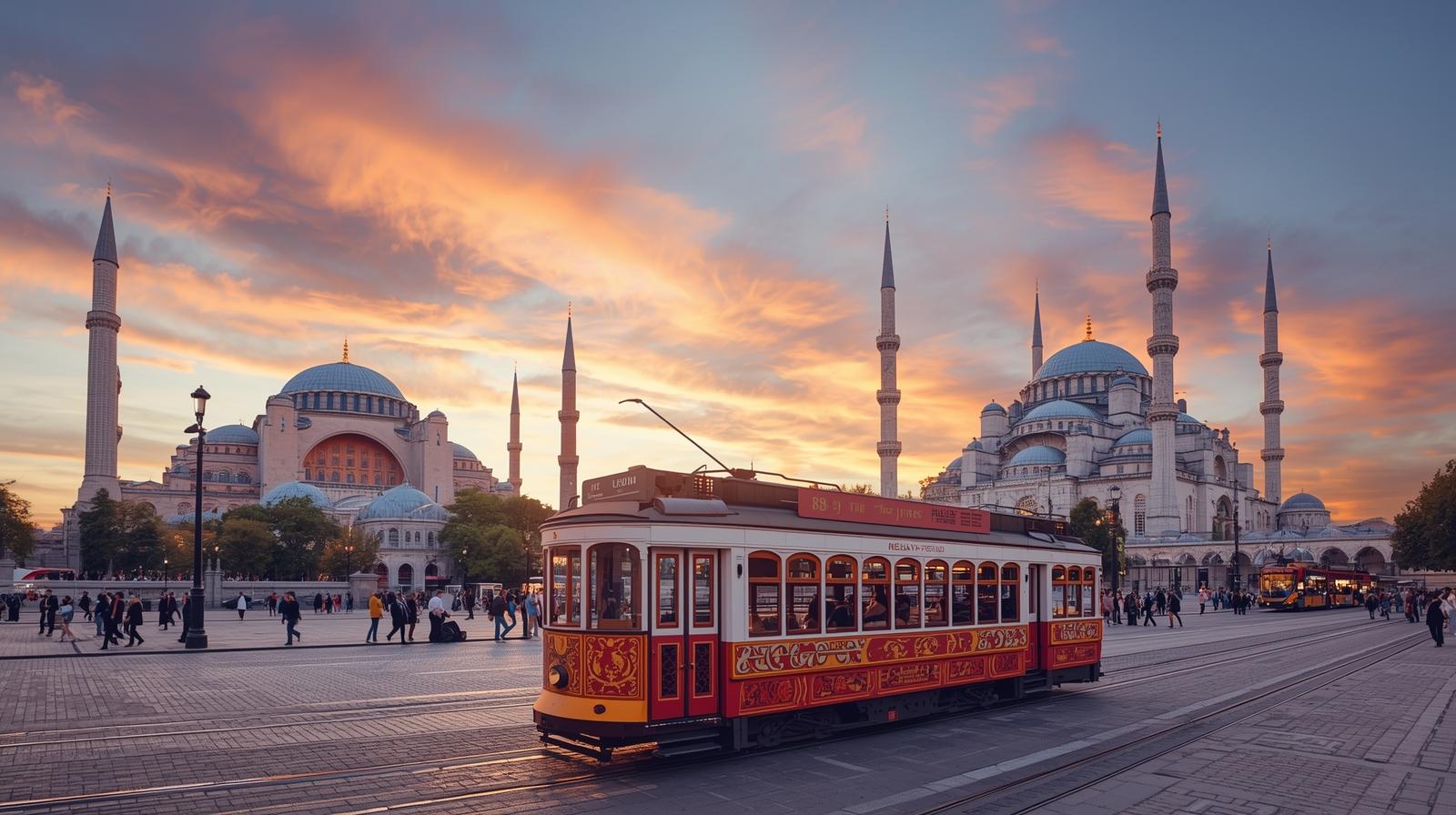
  • Sultanahmet: The Heart of Istanbul’s History

    Sultanahmet: The Heart of Istanbul’s History

    A look at the city’s most famous neighborhood.


    Sultanahmet is where Istanbul begins for most visitors. This is the old city. The historic peninsula. The place where emperors ruled and empires rose and fell.

    The streets here are narrow and winding. They slope down toward the water. Stone walls hide courtyards and gardens. Tea houses sit in the shadows of ancient monuments.

    Everything feels old. Because it is.

    This is the Istanbul you see on postcards. The skyline of domes and minarets. The weight of history around every corner.


    Sultanahmet is walkable. Charming. Tourist-friendly without losing its soul.

    The main square is a park. Locals sit on benches. Tourists rest their feet. Pigeons flock around anyone with bread. Street vendors sell simit and corn.

    From here, you can see the greatest hits of Istanbul. They are all within minutes of each other.

    The call to prayer echoes off ancient stones five times a day. It sounds different here. Deeper. Older. It bounces between mosques and museums and cisterns.

    At night, the neighborhood quiets down. The tour buses leave. The streets empty. You can walk by the Blue Mosque when it’s lit up and feel like you have the place to yourself.


    What to See

    Hagia Sophia

    The big one. The famous one.

    It was built in the 500s. For nearly a thousand years, it was the largest church in the world. Then the Ottomans came. They added minarets. Made it a mosque. Later it became a museum. Now it’s a mosque again.

    The dome is the thing. It seems to float. Light pours in from windows around its base. The inside is massive. You feel small standing under it.

    Christian mosaics survive on the upper walls. Golden tiles sparkle in the light. Islamic calligraphy hangs beside them. The building holds both stories.

    Go early. It gets crowded. Look up a lot.

    Blue Mosque

    Right across from Hagia Sophia. Officially it’s the Sultan Ahmed Mosque. Everyone calls it the Blue Mosque because of the tiles inside.

    Twenty thousand handmade ceramic tiles line the walls. They are blue and green and turquoise. Patterns flow across the ceilings.

    Six minarets rise above it. That was a big deal when it was built. Only Mecca had six. The sultan sent someone to add a seventh to Mecca to fix the problem.

    The courtyard is huge and peaceful. Fountains in the middle. Arcades around the edges.

    You need to take your shoes off to enter. Women cover their heads. Everyone covers their legs. Scarves are available at the door if you forget.

    Topkapi Palace

    The Ottomans ruled here for almost four hundred years. It’s not one building. It’s a whole complex. Courtyards. Kitchens. Gardens. Harem quarters.

    You walk through gate after gate. Each one takes you deeper into the sultan’s world.

    The kitchens alone are something. Chimneys rise like a small city. Inside, there is Chinese porcelain. Japanese porcelain. European silver. The Ottomans collected everything.

    The treasury is ridiculous. Gold. Emeralds. The famous Topkapi Dagger. The Spoonmaker’s Diamond. One of the biggest diamonds in the world.

    The harem is a maze of rooms and courtyards. The sultan’s mother ruled here. Wives and children lived here. It has its own mosque. Its own baths. Its own stories.

    Go to the Fourth Courtyard. Sit on the terrace. Look at the water. The Bosphorus. The Golden Horn. The Asian shore. Sultans sat here and looked at the same view.

    Basilica Cistern

    It’s underground. Dark. Cool. Weird.

    The Romans built it in the 500s to store water. It’s huge. Three hundred thirty-six columns hold up the ceiling. The columns were recycled from older temples. No two are exactly alike.

    The floor has water in it. You walk on raised platforms. Fish swim below. The lighting is moody. Classical music plays softly.

    Two columns have Medusa heads at their bases. One is upside down. One is sideways. No one knows why. They just are.

    It’s quiet down here. A strange escape from the busy streets above.

    Sultanahmet Square

    This is the park between Hagia Sophia and the Blue Mosque. It used to be the hippodrome. Romans watched chariot races here. Thousands of people cheered and bet and fought.

    Now it’s a grassy space with monuments. An Egyptian obelisk from 1500 BC. A snake column from ancient Greece. A German fountain from the 1900s.

    Locals picnic here. Kids play. Tourists rest. Street vendors sell tea and water and roasted nuts.

    It’s the heart of the neighborhood.

    Museum of Turkish and Islamic Arts

    It’s in a beautiful old palace. The building itself is worth seeing. Wooden ceilings. Courtyard with garden.

    Inside, there are incredible carpets. Some are hundreds of years old. The colors still glow. The patterns still amaze.

    Calligraphy fills glass cases. Pages from old Qurans. Writing so beautiful it looks like art.

    Ethnography rooms show how people lived. Tents. Clothes. Household items. It gives you a sense of daily life through the centuries.

    Arasta Bazaar

    Behind the Blue Mosque. Smaller than the Grand Bazaar. Quieter. Less chaos.

    Shops sell carpets, ceramics, lamps, textiles. The quality is good. The pressure to buy is lower.

    Walk through even if you’re not shopping. The old stone walls. The narrow path. The occasional cat sleeping in a doorway.

    Little Hagia Sophia

    A short walk from the main square. Built around the same time as the big Hagia Sophia. Smaller. Quieter. Just as old.

    It’s a mosque now. Locals pray here. Tourists peek in. The dome sits on eight sides. The brickwork is beautiful.

    The garden outside has a tea garden. Sit there. Sip tea. Watch the neighborhood go by.

    Great Palace Mosaic Museum

    Tucked away near the Arasta Bazaar. It’s small. Easy to miss.

    But inside are mosaics from the old Roman palace. Animals fighting. Children playing. Hunters chasing prey. The colors are still bright. The details still sharp.

    You stand there and realize these floors were walked on fifteen hundred years ago.

    Turkish and Islamic Art Museum Cafe

    Not a sight. But a place to sit. In the courtyard of the museum. Trees overhead. Birds singing. Tea in thin glasses.

    Take a break here. Your feet will thank you.


    Around the Neighborhood

    The streets of Sultanahmet are full of small discoveries.

    Carpet shops with piles of rugs. The sellers will invite you for tea. Even if you don’t buy, go in. See the carpets. Drink the tea. That’s the tradition.

    Lamp shops with glowing colors. Blue and red and gold glass. They hang from ceilings and fill the windows.

    Restaurants with rooftop views. Many have terraces looking at Hagia Sophia or the Blue Mosque. Go at sunset. Watch the light change on the domes.

    Tea gardens tucked behind walls. Simple places with plastic chairs and small tables. Just tea and conversation.

    Street cats everywhere. Istanbul is famous for them. They sleep on walls. Beg at restaurant doors. Let tourists pet them.


    Eating and Drinking

    Turkish Breakfast

    Find a place that does breakfast. It’s a spread. Cheese, olives, tomatoes, cucumbers, eggs, honey, jam, bread. Lots of bread. Simit too if you’re lucky.

    Kebaps

    Simple. Meat. Bread. Maybe some salad. The streets have small places with meat turning on spits. Eat there.

    Fish Sandwich

    Walk down to Eminönü. Stand by the water. Eat fish from a boat. It’s cheap. It’s fresh. It’s an Istanbul thing.

    Street Food

    Simit from a cart. Roasted chestnuts. Corn. Stuffed mussels if you’re brave. Everything is right there on the street.

    Baklava

    Sweet. Sticky. Nutty. Find a shop that makes it fresh. Eat it with Turkish coffee.

    Turkish Coffee

    Thick. Strong. Grounds at the bottom. Sip slowly. Don’t drink the mud.

    Tea

    Always tea. Everywhere. Small glasses. No milk. Sugar if you want. It’s how Istanbul drinks.


    Getting Around

    Sultanahmet is walkable. Most sights are within ten or fifteen minutes of each other.

    For longer trips:

    • Tram runs right through the neighborhood. Takes you to Eminönü, Sirkeci, Aksaray, and beyond.
    • Ferries from Eminönü go to the Asian side. Kadıköy. Üsküdar. Cheap and beautiful.
    • Walking is best. You see more. You find things.

    When to Go

    Early morning. Before the crowds. Hagia Sophia at 9 am is better than at noon.

    Late afternoon. The light is golden. The mosques glow.

    Evening. The sights are lit up. Fewer people. Cooler air.

    Ramadan. Different vibe. Iftar tents. Night prayers. Special atmosphere.

    Winter. Fewer tourists. Cold but manageable. Hotels cheaper.

    Spring and fall. Best weather. Not too hot. Not too cold.


    Quick Tips

    • Wear comfortable shoes. You will walk a lot.
    • Cover up for mosques. Shoulders and knees. Women need headscarves.
    • Take breaks. Too much history is real. Sit with tea.
    • Watch for pickpockets in crowds. Not a big problem but be aware.
    • Learn a few words. Merhaba (hello). Teşekkürler (thank you). It helps.
    • Stay nearby if you can. Morning light on Hagia Sophia is worth it.
    • Get lost. The side streets are where the charm lives.

    Sultanahmet is the Istanbul people imagine. The domes and minarets. The layers of history. The sense of standing somewhere important.

    But it’s also just a neighborhood. People live here. Work here. Drink tea here. Walk their kids to school here.

    The ancient and the everyday mix together. A Roman obelisk next to a park bench. A Byzantine cistern under a modern street. A thousand-year-old mosque with shoes lined up outside.

    Spend time here. Walk slowly. Look up. Look down. Sit and watch.

    The city will show you its oldest self.